

Archive for the ‘Baby Booomers’ Category
Happy Birthday, Mom !
 February 22nd, 2016 |
  Author:
I wrote this a couple of years ago. Mom celebrates her 97th birthday today, so I thought it was worth re-posting. 
My mother was the first born child of immigrants. She was born Alice Della but has been referred to by her nickname, “Del” for most of her life. Mom’s mother was from England and her father from Canada. Except for a few months during World War II when she and my father lived in Washington state and California, she has always lived in Rhode Island. Mom was the eldest of five kids the youngest of whom she was frequently responsible for babysitting. I always thought that her parenting skills were honed during those days when she was taking care of her little sister and brother.
Mom grew up during The Great Depression and, like many others, her family struggled financially. When she was 15, my mother quit school in order to take a job in her uncle’s mill. I’m not sure how she felt about that but, as an intelligent young woman, I suspect that she wasn’t happy about it. Yet, I’ve never heard her complain about having to quit her education in order to help support the family. She felt it was her duty and she did it.
Mom was raised a Catholic but for reasons about which I’ve never been quite clear decided to leave the Catholic church and began attending youth group meetings at a Methodist church where she met my father. Apparently, the pastor of the church, a Dr. Metzner (sic) was a charismatic man who had a great deal of influence on both my father and mother. I remember them both smiling in obvious enjoyment as they told my brother and I stories about the doctor and their adventures with the youth group. I believe he was the minister who married them.
Mom and dad met when they were 16 and it was apparently love at first sight. Except for the years when Dad was away during World War II, they were never apart. And they always seemed to enjoy one another’s company. Every morning that I can recall, Dad would stroll into the kitchen, bellow “Good morning, Alice Della!”, sweep Mom into his arms and give her an enthusiastic kiss. Her return kiss was just as enthusiastic. It was the kind of overt display of affection which provided a strong sense of security for an impressionable young boy like me.
Like any married couple, they’d sometimes quarrel or disagree often when Dad would take a detour down some unchartered route to see which way it might take us. Mom preferred the known to the unknown but I think that she secretly enjoyed Dad’s sense of adventure. Recently, Mom observed that they’d never had a fight. (Imagine how warped my perspective on married life was coming out of that environment!) .
As was normal in those days, Mom was a housewife. She didn’t even know how to drive. In fact, she didn’t get her driver’s license until she was in her 40s. However, when I was in elementary school, Mom became the first woman president of the Smithfield (RI) PTA. Smithfield was a small New England town and that was a big deal. My father was well-known in town because of his business activities and members hips in the Lions Club and Volunteer Fire Department but it also made me proud when I saw the respect with which teachers, school principals, and prominent members of the community treated her. My mother is not an ambitious person so I suspect that she was nominated for the PTA presidency by people who wanted someone in the position whose opinions they respected and integrity they trusted.
One prominent memory from my younger days is Saturday nights at our house. As the big sister and surrogate parent, Mom always hosted her younger siblings and their families on Saturday nights. Invariably, we males would congregate in the living room to watch TV and banter with occasional conversation. But I can still see all the women gathered around the dining room table to get my mother’s opinion. It’s not that she sought to impose her opinions on them but that they seemed to value her insights and advice. My observation was that they always thought of my mother as well-grounded and a source of common sense. They trusted her opinion.
Dad died just after Thanksgiving in 2006. After all their years together, it’s hard for her to not have Dad but she’s adapted well and has realized how self-sufficient she really is. With age have come some challenges but she is still surprisingly alert and present. Since I take after my mother and her side of the family, I find this especially encouraging!
I know that everybody feels this way about their mother but my Mom is a very special lady. I’m proud to be her son and especially pleased that I was able to bring a granddaughter into her life.
 Posted in baby boomers, Baby Booomers, Children, Elder care, History, Parenting, Uncategorized |
  Tags: birthday, Catholic, Great Depression, mom, mother, PTA, Rhode Island, WWII |
  No Comments »
Republicans and Democrats
“Country people tend to consider that they have a corner on righteousness and to distrust most manifestations of cleverness, while people in the city are leery of righteousness but ascribe to themselves all manner of cleverness.”-Edward Hoagland
Could this be a good explanation of what’s been going on in American politics lately?
Posted in baby boomers, Baby Booomers, Branding, elections, History, marketing, media, politicians, Politics, Social media, Uncategorized, voting |
No Comments »
World Series 2015: Confessions of a Fair Weather Fan


Don’t get me wrong. I like baseball. I just don’t care about the MLB until post-season. The same is true for the NFL. It wasn’t always this way.
I was raised in a small New England village with a great baseball field about 100 yards downhill from our back porch. Between the ages of 5 and 13 , during the daylight hours when I wasn’t in school, doing homework or participating in organized sports at another venue, that’s where you’d probably find me with the other guys from our neighborhood playing baseball in Spring and Summer or touch football in the Fall.
Since I was a New Englander, I grew up a Red Sox fan. The Yankees represented the Evil Empire. New England didn’t have an NFL team in those days and the Jets didn’t exist, so the New York Giants was my default team of choice.
In later years, I lived in Pittsburgh where I became a Pirates and Steelers fan.
But now I’ve lived more than half of my life as a resident of New York State and, although during some of those years I’ve been a half-hearted Yankees fan, I’m not emotionally committed to any of the New York teams. I may, at times, like certain MLB and NFL teams more than others but I’m not passionate about any of them.
I’m a fair weather fan.
Which is why baseball season has just started for me. Now that “the wheat is separated from the chaff”, “the cream has risen to the top”, or whichever metaphor you choose to use to describe the process which has brought the Royals and the Giants to the World Series, I’m now getting interested.
I’m looking forward to another World Series of close games, late nights, emotional ups and downs, and watching some amazingly gifted athletes and managers perform under pressure.
I find watching them to be inspiring and educational….even if I’m just a lowly fair weather fan.
Posted in Baby Booomers, Branding, History, Sports |
Tags: baseball, Kansas City Royals, KC Royals, New York, NY Mets, World Series |
No Comments »
The 4th of July
129 years ago today, on July 4th, 1886 my paternal grandmother, Gertrude (Smith) Brindle was born in England in Accrington, England. That’s her sitting In the chair.
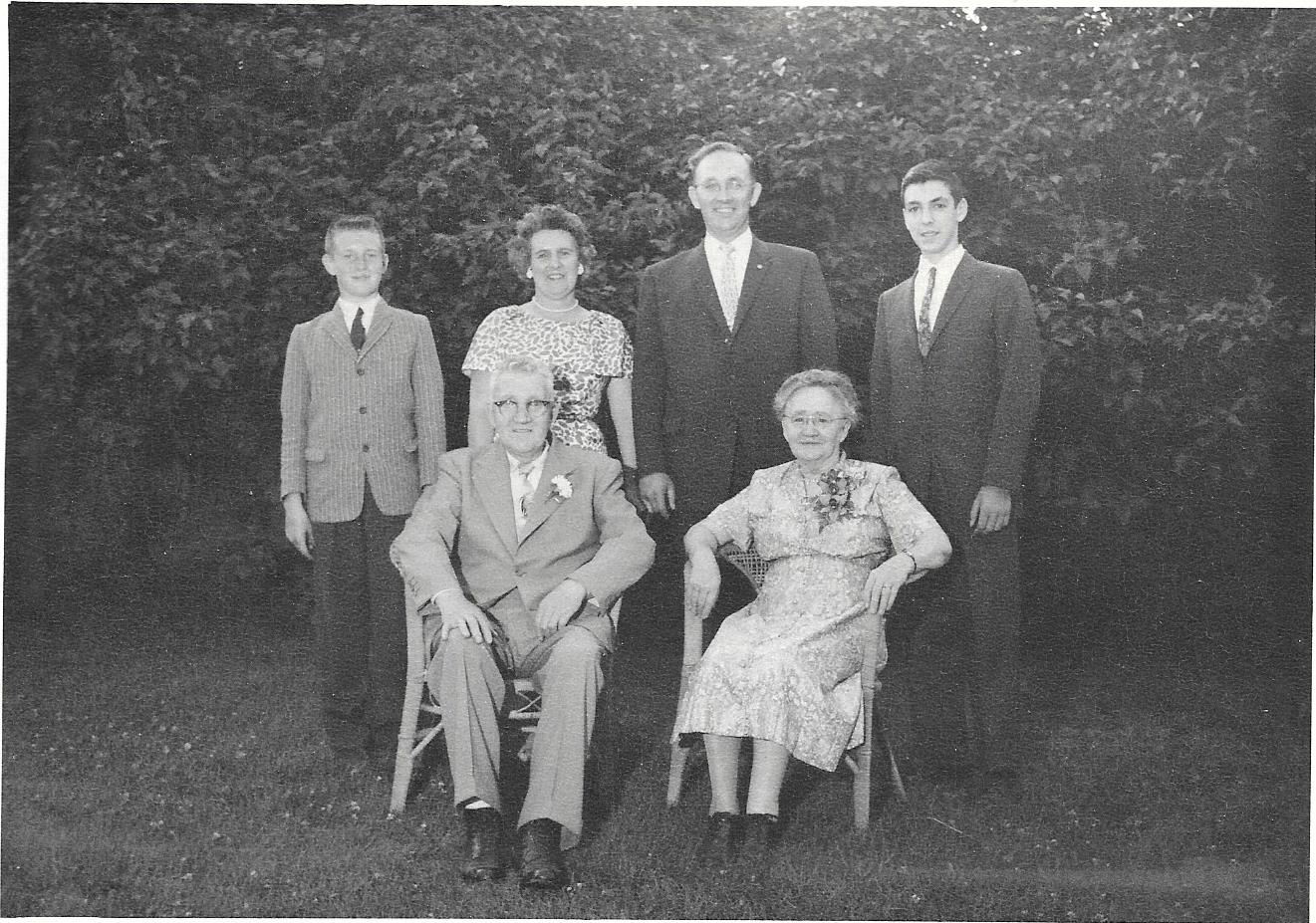
As you can tell, she was the product of the Victorian Era. I don’t recall her as a particular warm person and she was a lousy cook but I do recall her cozy, old-fashioned kitchen with a big, black iron coal-fired stove and her attempts to make me happy.
However, I didn’t start writing this today to reminisce about my grandmother. Instead, what struck me was that only 60 years prior to her birth, on July 4th, 1826 both Thomas Jefferson and John Adams died on the 50th anniversary of July 4th, 1776. (You’ve probably heard the “Jefferson Lives” story when Adams didn’t realize that his friend had already died).
To the kid in this picture, sixty years would have seemed like an eternity. To the man who he’s become, it doesn’t seem so long ago. Top put that in perspective, sixty years ago today was July 4th, 1955 when Chuck Berry’s “Maybelline” and Johnny Cash’s “Folsom Prison Blues” were playing on the radio.
Understanding that my grandmother’s life wasn’t that far removed from those two Founding Fathers helps me feel a little bit less out of touch with American history.
Thanks, Grandma. Rest in peace.
Thoughts of Dad on Father’s Day
It’s hard to believe that it’s been 9 years since my dad, Earl Brindle died in December, 2006.
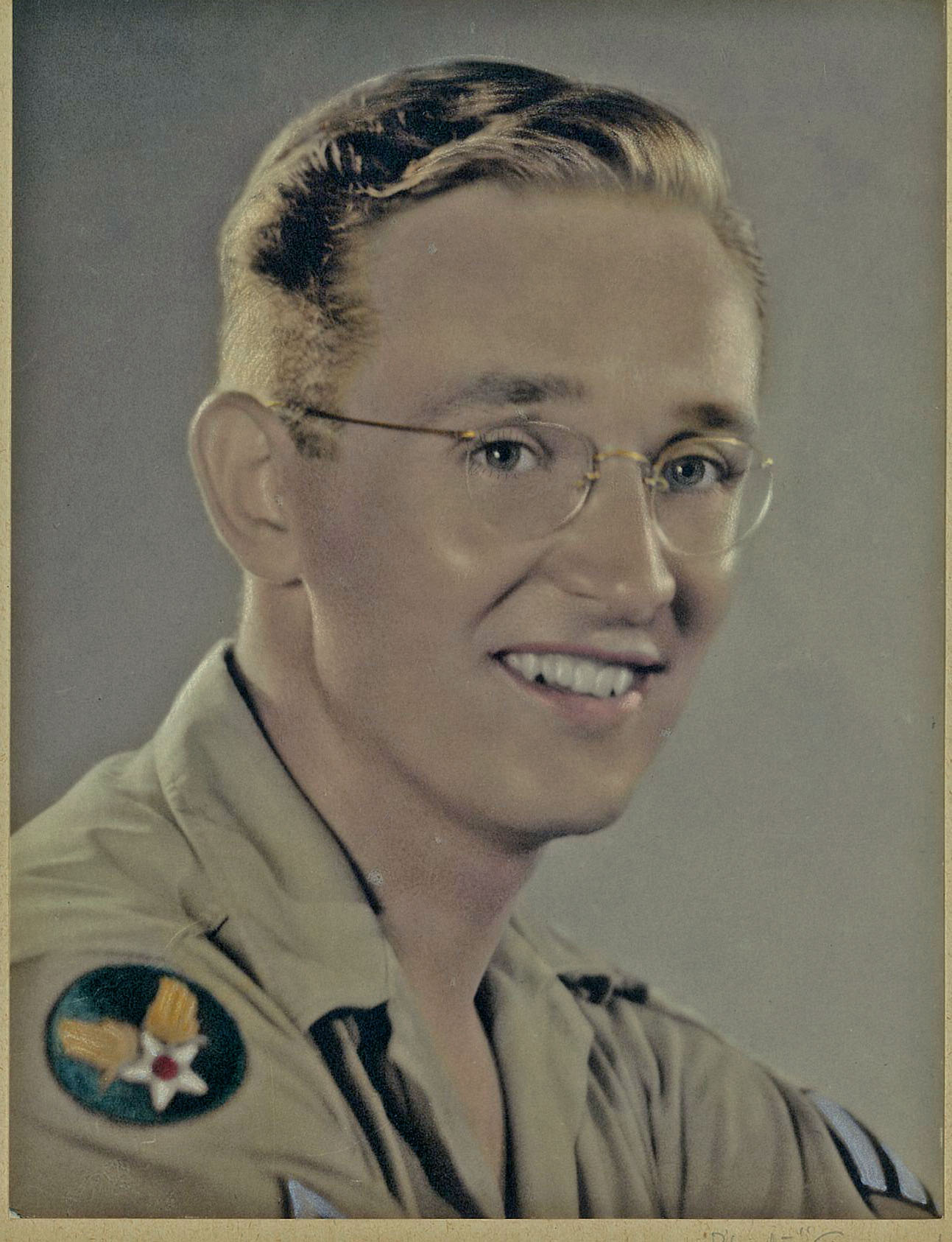
Over the past few years, I find myself having conversations with my father especially during my morning walks. I’ll be thinking about some problem or concern and, suddenly, I’ll be asking Dad what he thinks. He doesn’t talk back but, in some way, I do feel his presence. He’s also shown up as a participant in my dreams. I’ll wake up and have to remind myself that Dad’s no longer “here”. I’m not sure what that means but were I to visit a psychoanalyst I’m sure that they’d have a field day with that information.
It’s odd because I didn’t have that many conversations with my father when he was alive.
As I’ve grown older, I’ve started to notice similarities between myself and my father. Our body types are more alike than I’d once thought. I like learning new things and sharing information with others that might help them to increase their understanding or improve their life. Although perceived by some to be an outgoing socializer, my nature is to be somewhat of a loner. At home, I’m not handy. Neither was he. But I know it and hire experts. He tried to do it himself. Then we brought in the experts!
My mother had been mythologizing Dad for my brother, Alan and me ever since we were kids. In Mom’s eyes, he was perfect in every way. And my father was a terrific role model: self-educated, intellectually curious, ethical, compassionate, generous, friendly, self-deprecating, great sense of humor, civic-minded, concerned citizen, loyal & devoted husband, interested & involved parent, honest, reliable, trustworthy, helpful, courteous, kind, cheerful, thrifty, brave, clean, and reverent. A solid, upstanding role model. As the first born son of a role model like this, it’s not a total surprise to me why I’ve had a problem with authority figures all my life!
Dad grew up during The Great Depression. He would have easily done well in college but his parents were poor and couldn’t afford to send him. So, he did his best, served his country during World War II, worked hard, provided for his family, weathered adversity, and lived a productive, honorable life. We Baby Boomers may feel like we’ve been having a tough time during these past five years but my father and most others of his generation lived through and survived during much tougher times. Somehow, they made it through and managed to thrive. Rather than whining and bemoaning our losses, we need to learn from their example, do what’s best for our country and humanity, and get on with our lives.
Through his actions and his words, Earl N. Brindle taught me about being a generous and compassionate friend and neighbor, about being a trustworthy and equal partner in marriage, about being a good parent and about being focused on getting the job done right. I’m still his work in progress.
My father is one of the reasons I ended up in Saratoga Springs. Dad loved to ride horses, a skill he picked up in Wyoming during his stint with the Army Air Forces, and enjoyed watching them race. Along with such sporting events as the Saturday night boxing matches, NY Giants football, and Red Sox baseball, we would always watch the Triple Crown races together. (He would have loved watching American Pharoah win it this year!) When I moved to Saratoga and took Dad to our legendary race course in August to watch the morning workouts, he was in heaven. Along with being able to give him a granddaughter who he adored, I’m glad that I was able to give him those experiences at Saratoga Race Course.
I’m grateful for the time that my dad spent with me at the baseball field trying (unsuccessfully) to help me become a better player, trying to teach me how to fish (again, unsuccessfully), and risking his life and his sanity as he endeavored to teach his 16 year old eldest son how to drive.
Thanks, Dad, for setting such a great example for how to be a good parent. Hope my kids feel the same about me one day.
Posted in baby boomers, Baby Booomers, Children, History, horse racing, Parenting, Quality of life, Sports, Uncategorized |
Tags: American Pharoah, dad, Fathers Day, Great Depression, Saratoga, Saratoga Race Course, WWII |
No Comments »
The Best & The Worst
“It was the best of times, it was the worst of times, it was the age of wisdom, it was the age of foolishness, it was the epoch of belief, it was the epoch of incredulity, it was the season of Light, it was the season of Darkness, it was the spring of hope, it was the winter of despair, we had everything before us, we had nothing before us, we were all going direct to Heaven, we were all going direct the other way …”
That’s the opening paragraph of A Tale of Two Cities. Seems to me that it’s just as descriptive of today in 2015 as it was 156 years ago in 1859 when Charles Dickens wrote it.
Posted in baby boomers, Baby Booomers, History, Politics, Uncategorized |
Tags: A Tale of Two Cities, Charles Dickens |
No Comments »
Confessions of a Baby Boomer
I’ve just “celebrated” my birthday. To be honest, I dreaded more than I celebrated this one.
Of course, I’m grateful that I’m physically healthy and mentally alert at this stage of my life. From my perspective, I’m still a relatively young guy with a significant amount of potential ahead of me. Unfortunately, our society doesn’t see it that way.
That’s one reason why I started the Ambitious Energized Alpha Boomer group on Linkedin. I figure that there have to be more Baby Boomers like me who aren’t ready to submit to being what euphemistically used to be called being “put out to pasture” simply because we’ve passed the arbitrarily selected retirement age of 65.
I do recall that my Victorian Era grandparents acted “old” by the time that they reached their mid-60s. But my Silent Generation dad wasn’t ready to retire when he turned 65.
I recently read “Being Mortal” and that book did pull me up short in terms of the physical and mental limitations which I should expect to arise during my next 20 to 25 years. However, I’m still a believer that a positive but realistic attitude and determination to improve can contribute to one’s longevity and quality of life.
So, my plan is to continue to strive for the opportunity to improve in all aspects of my life and to thwart those societal forces which are determined to limit me. A “Today Is the First Day of the Rest of Your Life” approach.
How about you?

Posted in baby boomers, Baby Booomers, History, Politics, Quality of life, Uncategorized |
Tags: Being Mortal, birthdays, mortality |
3 Comments »
Trustworthy, Loyal, Helpful, Friendly
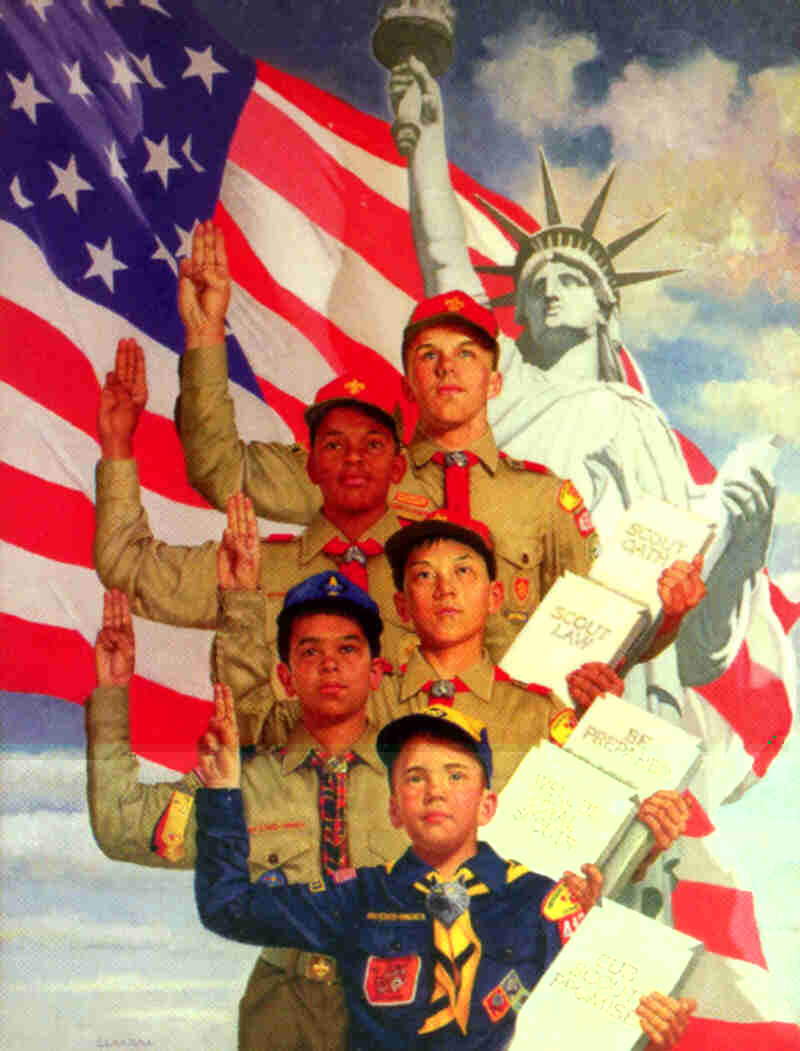
Boy Scouts of America was founded on February 8, 1910.
The BSA is no longer looked upon favorably by some segments of American society. However, I’m grateful that my boyhood experience as a Cub Scout and Boy Scout taught me to Be Prepared. And, even at this stage of my life, I’m still striving to be:
Trustworthy
Loyal
Helpful
Friendly
Courteous
Kind
Obedient
Cheerful
Thrifty
Brave
Clean
Reverent
Posted in baby boomers, Baby Booomers, Branding, History, marketing, Politics, Quality of life, Safety, Teenagers, Uncategorized |
Tags: Boys Scouts, BSA |
No Comments »
January 8th, Elvis & Me

January 8th is a special date for me.
It’s not because I’m an Elvis Presley fan. I like a lot of Elvis’ music but I wouldn’t categorize myself as a fan.
No, it’s because Charles Manson was a fan. Not THAT Charles Manson but, instead, the Charles Manson who was the general manager of radio station WGLD-FM, Chicago on January 8th, 1973. It was on that day forty-one years ago that Manson decided to switch the station’s format, without bothering to tell the station’s owners, from Progressive Album Rock to Oldies.
At the time, I had just been fired from WGLD’s sister station, WMOD-FM/Washington,DC for defending the use of a “Chicken Man” joke on-air by the station’s morning personality, Jack Casey. It’s a long story.
In any case, as a member of the union American Federation of Television and Radio Artists (AFTRA), I had received a several pay package from WMOD and Sonderling Broadcasting which owned both the Washington and Chicago stations. Three weeks after being fired, I found myself flying to Chicago at the behest of Sonderling’s corporate program director, Dave McNamee to take over as program director for WGLD-FM. Consequently, I had not only been promoted from the ranks of on-air personality to management within the Sonderling organization but was also receiving both my severance payments from WMOD and my new program director’s salary from WGLD!
Radio. You’ve got to love it.
As it turned out, my stint in Chicago didn’t last very long. Manson didn’t like the idea of corporate imposing me on him and our relationship was strained from the beginning.
In early 1973, the Nixon administration was out to get broadcasters because they felt that the media was being too critical. This was just prior to the Watergate hearings and the administration was sending a message to the media.
At the time, a radio personality named Bill Balance was having some success doing a sex talk call-in show in Los Angeles so radio general managers in other cities decided to create their own local versions of a sex talk show. Charles Manson was one of them. Unfortunately, he hadn’t thought it through.
WGLD’s midday music personality was assigned to host a one hour sex talk show each weekday. If I recall correctly, it was scheduled between 10-11AM Monday-Friday. I wasn’t a fan of the show because it really didn’t fit with what we were trying to accomplish with the station and I would have preferred to can it but the general manager ignored my objections. Of course, typical of the radio industry at that time, management hadn’t bothered to train this DJ about any of the legal ramifications involved in such a show. One of the FCC’s rules made it clear that it was a finable offense if the content of a sex talk show was targeted at persons younger than 18 years old.
One morning during the sex talk program, the host found himself assigned to do a live read of commercial copy for a local driving instructor. Although I had warned him about being careful about the appearance of talking to teens, during his reading of the commercial the host ad-libbed a comment in which he said something along the line of “Hey, kids. They can help make sure you pass your driver’s test.” Either the FCC was monitoring the show, a competitor had taped and submitted the recording to the FCC or a listener complained. In any case, WGLD got busted and the station became a poster child for the Nixon administration’s war against smut on the radio. Of course, as the program director I was held responsible for the DJ’s gaff.
That episode plus some other “philosophical differences” between Mr. Manson and myself resulted in my departure from WGLD in July, 1973. Once again, Sonderling Broadcasting was paying me a generous severance which allowed me to lounge by the pool and to watch the Watergate hearings.
One day, I received a call from Dick Booth, a former colleague at Northeastern University’s WNEU radio, who offered me a job at a new FM station in Pittsburgh where he’d been hired as station manager. I was his second hire. The first was a 19 year old kid named Bob Pittman.
So, I loaded up my meager belongings into a rental van and drove to the Steel City where I met the guy who would ultimately offer me positions with his teams at WNBC, New York and at MTV.
All because of Elvis’s birthday.
Posted in baby boomers, Baby Booomers, History, marketing, Radio, Uncategorized |
Tags: Bob Pittman, Chicago, Elvis Presley, MTV, Nixon, Pittsburgh, Washington DC, Watergate, WNBC |
No Comments »
I’m Not Dead Yet!

Recently, People Magazine’s website posted the actor, Kirk Douglas’ obituary. Unfortunately for People (but fortunately for Kirk Douglas), he’s still alive and kicking at 98. It brings to mind that scene from Monty Python’s “Holy Grail”.
When we get to a certain age, we start paying more attention to obituaries to learn if someone we know or cared about has died. Secretly, some of us also compare the ages of those who’ve died with our own.
And, let’s face it, reading about death in the obituaries can be a sad and depressing experience.
NPR Weekend Edition Saturday’ host Scott Simon offers an interesting suggestion:
“… an obituary strives to have the perspective of a full life. Failures and mistakes which once loomed huge can finally be seen as small bumps on a long road.
Maybe it would be a good exercise — even a gift, in the holiday season — to help write a brief obituary for someone you love while they are still vibrant, alive, and able to appreciate it. You can remember a grandmother, who may seem a little halting and crotchety now, as she was when she was young and light-hearted. You can ask a father who can seem exasperated about being an authority figure now to remember the years when he was young, unruly, and even a little sassy. Seeing your life stretched out may make you see disappointments and defeats as pointers, not missteps, along that long road”

What do you think?
Posted in baby boomers, Baby Booomers, History, Online Media, Quality of life, Uncategorized |
Tags: appreciation, Chanukkah, Christmas, gift, Hanukkah, holidays, Kirk Douglas, Monty Python, NPR, obituaries, People Magazine, Scott Simon |
No Comments »